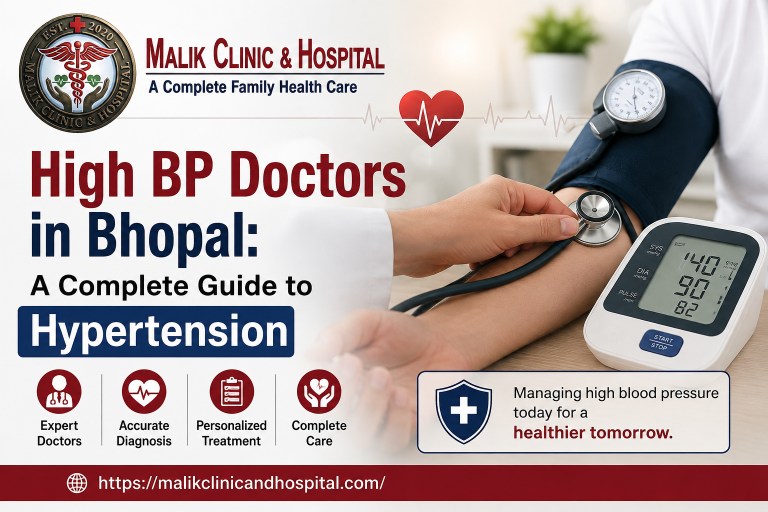
High BP doctors in Bhopal play a crucial role in helping people manage hypertension and prevent serious health complications. High blood pressure, also known as hypertension, is often called the “silent killer“ because it usually doesn’t show noticeable symptoms until it causes damage to vital organs such as the heart, brain, kidneys, or eyes. The good news is that with timely diagnosis, proper medical care, and healthy lifestyle changes, hypertension can be effectively controlled.
If you or a loved one has been diagnosed with high blood pressure, this complete guide will help you understand hypertension, its causes, symptoms, treatment options, and when you should consult a specialist.
A Complete Guide to Hypertension Treatment
Hypertension is a condition where the force of blood against your artery walls remains consistently high. Over time, uncontrolled blood pressure can increase the risk of heart attack, stroke, kidney disease, vision problems, and heart failure.
Blood pressure is measured using two numbers:
- Systolic Pressure: The pressure when the heart pumps blood.
- Diastolic Pressure: The pressure when the heart rests between beats.
A normal blood pressure reading is generally around 120/80 mmHg, while readings consistently above 140/90 mmHg usually require medical attention, depending on your age and overall health.
What Causes High Blood Pressure?
Several factors can contribute to hypertension. Some are related to lifestyle, while others may be linked to genetics or underlying medical conditions.
Common causes include:
- Excessive salt intake
- Obesity or being overweight
- Lack of physical activity
- Smoking and tobacco use
- Excessive alcohol consumption
- Chronic stress
- Diabetes
- Kidney disorders
- Family history of hypertension
- Increasing age
Although some risk factors cannot be changed, adopting healthier habits can significantly reduce the risk of developing high blood pressure.
Common Symptoms of Hypertension
One of the biggest challenges with hypertension is that many people experience no symptoms at all. However, when blood pressure becomes very high, some warning signs may include:
- Frequent headaches
- Dizziness
- Blurred vision
- Chest pain
- Shortness of breath
- Fatigue
- Nosebleeds
- Irregular heartbeat
If you experience these symptoms frequently, seek medical advice immediately.
How Is Hypertension Diagnosed?
Doctors diagnose hypertension by measuring your blood pressure using a blood pressure monitor during multiple visits.
Additional investigations may include:
- Blood tests
- Urine tests
- ECG (Electrocardiogram)
- Echocardiogram
- Kidney function tests
- Cholesterol profile
These tests help identify any complications and determine the most appropriate treatment plan.
Treatment Options for Hypertension
Treatment depends on your blood pressure level, age, medical history, and overall health.
Lifestyle Changes
For many patients, lifestyle modifications are the first step toward controlling hypertension.
Recommended changes include:
- Reduce salt intake
- Eat more fruits and vegetables
- Maintain a healthy weight
- Exercise for at least 30 minutes daily
- Avoid smoking
- Limit alcohol consumption
- Manage stress through meditation or yoga
- Get adequate sleep
These habits not only lower blood pressure but also improve overall cardiovascular health.
Medications
If lifestyle changes alone are insufficient, your doctor may prescribe medications such as:
- ACE inhibitors
- ARBs
- Calcium channel blockers
- Diuretics
- Beta blockers
Always take medications exactly as prescribed and never stop them without consulting your doctor.
Why Regular Monitoring Is Important
Hypertension is a long-term condition that requires continuous monitoring.
Regular blood pressure checks help:
- Evaluate treatment effectiveness
- Detect complications early
- Adjust medications if necessary
- Prevent heart attacks and strokes
Home blood pressure monitoring is also recommended for many patients.
When Should You See High BP Doctors in Bhopal?
You should consult a hypertension specialist if:
- Your blood pressure remains above normal consistently.
- You experience frequent headaches or dizziness.
- You have diabetes or kidney disease.
- There’s a family history of hypertension.
- Lifestyle changes are not improving your readings.
- You are already taking medication but your BP remains uncontrolled.
Early consultation With Dr.Raza Malik helps prevent serious health complications and ensures better long-term outcomes.
Tips for Better Diabetes Care
Managing diabetes successfully requires daily commitment. Here are a few practical tips:
- Follow your doctor’s treatment plan.
- Eat meals at regular intervals.
- Stay physically active.
- Drink plenty of water.
- Monitor your blood sugar regularly.
- Avoid smoking and excessive alcohol.
- Maintain a healthy weight.
- Schedule routine eye, kidney, and foot examinations.
These habits can improve your quality of life and reduce the risk of long-term complications.
Why Early Diagnosis Matters
Many people live with diabetes for years without realizing it because symptoms can be mild in the beginning. Regular health screenings help detect diabetes early, allowing treatment to begin before serious complications develop.
With proper medical guidance, healthy lifestyle choices, and regular monitoring, most people with diabetes can successfully manage their condition and enjoy an active, fulfilling life.
Conclusion
Diabetes is a lifelong condition, but it does not have to limit your daily life. By following a balanced diet, staying active, taking medications as prescribed, and scheduling regular check-ups with the Best diabetes doctor in Bhopal, you can effectively control your blood sugar and protect your long-term health. If you’re searching online for Doctors near me, choose a qualified diabetes specialist who can provide personalized care and help you achieve better diabetes management.
Frequently Asked Questions (FAQs)
1. What are the early signs of diabetes?
Early symptoms include frequent urination, excessive thirst, increased hunger, unexplained weight loss, fatigue, blurred vision, and slow-healing wounds.
2. Can diabetes be cured permanently?
Currently, there is no permanent cure for diabetes. However, it can be effectively managed through healthy lifestyle changes, medications, regular monitoring, and medical supervision.
3. How often should a person with diabetes visit a doctor?
Most people with diabetes should have regular follow-up visits every 3–6 months, or more frequently if recommended by their doctor, to monitor blood sugar levels, medications, and overall health.
Hi, this is a comment.
To get started with moderating, editing, and deleting comments, please visit the Comments screen in the dashboard.
Commenter avatars come from Gravatar.